


Choosing between a wired or wireless remote isn't just about convenience — it's about safety, maneuverability, and application needs. In this video, Chris and Wade break down the pros and cons of both systems.
Key Takeaways
- The "Both" Strategy: For mission-critical equipment like winches, it's often best to have a wireless remote for primary use and a wired remote as a backup.
- The Safety Factor of Wireless: Wireless remotes allow the operator to stand in the safest or most effective spot. For example, when winching a vehicle onto a trailer, the operator can be inside the vehicle to steer while controlling the winch from up to 150 ft away.
- Wired Limitations: While wired remotes are cost-effective and eliminate interference concerns, they are limited by cable length. Long cables (over 25 ft) suffer from amperage drops and become a tangled mess.
- Addressing Fear of the Unknown: Many users stick to wired remotes due to a fear of interference or losing the remote, but modern industrial wireless systems are designed to mitigate these risks.
Pro Tip: If your application requires you to be more than 25 ft away, it's time to upgrade to wireless to avoid performance loss.
Related Reading
For a deeper dive on each side: Reliable Wireless Controls: Building Safety into Every Function covers what makes an industrial-grade wireless system actually reliable. The 3 Best Wired Remote Controls for Truck & Trailer OEMs walks through the three main wired remote styles and which one fits each hydraulic setup.
Watch: How to Test a PIERCE Winch Motor
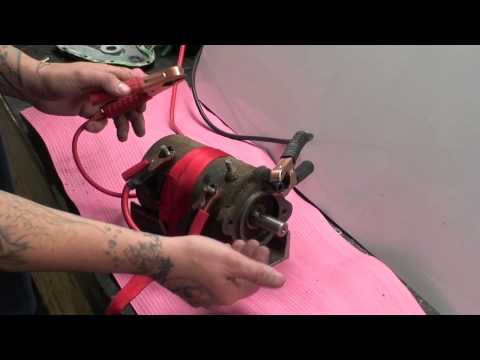
This is a test on a PS534H and PS534HD motors to PS654 PIERCE winches. This video will also show signs of a faulty motor.