


Not all wireless remotes are created equal. This post explores the industrial-grade wireless solutions PIERCE developed in partnership with Lodar, focusing on reliability in battle-tested environments.
Key Takeaways
- Industrial Ergonomics: Unlike cheap key fobs, these remotes are designed for the field — tactile buttons that work with gloves and a lanyard to prevent loss.
- Proper Mounting is Critical: The receiver must be mounted vertically with the watertight gland pointing down to prevent water from being sucked into the unit during temperature changes.
- Interference Protection: These systems are programmed to ignore the noise. If the receiver senses interference (like from a nearby electronic device), it will simply stop working rather than performing an unintended action.
- Customized Logic (PS004 vs. PS004B): PIERCE offers specialized programming for roll-off trailers. The "B" version allows the winch to operate without inadvertently firing the hydraulic pump, a common issue in standard four-function systems.
Why it matters: A wireless remote that "stops working" when interference is detected is doing exactly what it should. A remote that keeps firing on bad signals is the dangerous one.
Related Reading
Work Truck Controls: Wired vs Wireless Remotes covers when to choose each. The 3 Best Wired Remote Controls for Truck & Trailer OEMs walks through PIERCE's wired pendant lineup.
Watch: How to Test a PIERCE Winch Motor
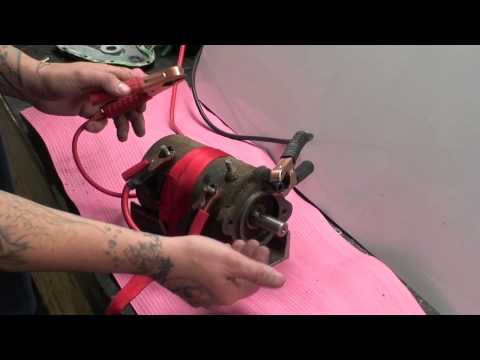
This is a test on a PS534H and PS534HD motors to PS654 PIERCE winches. This video will also show signs of a faulty motor.