

Light-duty Manufacturing
Industrial Winches
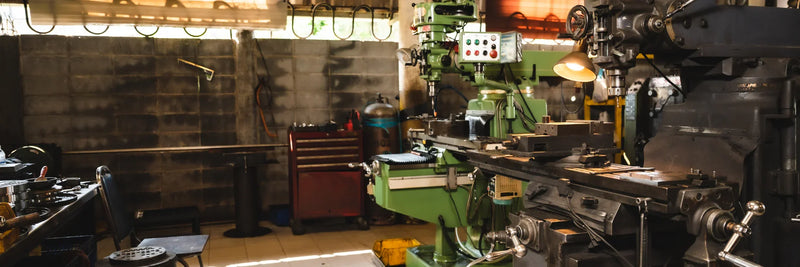
Manufacturing floors use winches for pulling, positioning, and loading operations that are too heavy for manual labor but don’t justify overhead crane infrastructure. Hydraulic industrial winches provide continuous-duty pulling for assembly line positioning, material handling, and loading heavy components onto fixtures. Electric winches — including the 110V option that runs off standard shop power — handle pull-through operations, tensioning, and workstation loading where hydraulic lines aren’t available. The variety of mounting configurations and drum sizes lets the winch match the specific layout and clearance constraints of the production area.

11,000 lb 110V Worm Gear Winch | 8 in Drum
110V electric winch that runs off standard shop power. Handles heavy pulling and positioning tasks at workstations where only standard electrical outlets are available.
PS654-8EMK

12,500 lb 12V Worm Gear Winch | 11 in Drum
Industrial electric winch with 11-inch drum for manufacturing installations with tight clearances. Provides heavy pulling power where hydraulic lines aren’t available.
$1,642.00
PSW654-11MK

9,000 lb Hydraulic Worm Gear Winch | 11 in Drum
Industrial hydraulic winch with 11-inch drum for manufacturing floor applications. The narrow drum fits tight mounting spaces in production cells while providing continuous-duty pulling.
$1,471.00
PSW654-11HK

12,500 lb 12V Worm Gear Winch | 8 in Drum
Standard mount 12,500 lb industrial electric winch for pull-through operations, tensioning, and workstation loading. Runs off the facility’s electrical system.
$1,529.00
PSW654-8MK
Controls — Wired
Wired pendant controls give operators direct, interference-free control of winches and hydraulic functions at the workstation. In manufacturing, where equipment runs in fixed positions with operators standing at defined stations, a corded pendant is often preferred for its simplicity and zero latency. The 2-button covers single-function up/down operation, the 4-button handles dual-function setups, and the 6-button with a 20ft cord gives reach for operators who need to move around a larger work cell while maintaining control.

PIERCE Universal Momentary Pendant Control - 6 Button - 20ft Cord
Six-button pendant with 20ft cord for operators who need to move around a larger work cell while maintaining control of multiple functions.
$98.00
CP079K

Universal Momentary Pendant Control - 4 Button
Four-button pendant for dual-function workstation control. Handles paired operations like winch up/down and clamp open/close from a single corded controller.
$26.00
CP078
Controls — Wireless (Lodar)
Multi-function Lodar wireless control systems are built for manufacturing environments where a single operator controls several pieces of equipment or multiple hydraulic and electric circuits from a handheld transmitter. The 10 to 20 function range covers complex setups — operating winches, conveyors, lifts, clamps, and positioning actuators without running wired controls to every station. IP-rated transmitters and receivers handle the electrical noise, vibration, and interference common on manufacturing floors.
Hydraulic Power
The 4-way pump serves as the central hydraulic power source for multi-circuit manufacturing setups — running winches, lifts, presses, and clamps off a single power unit. In light-duty manufacturing, a compact, self-contained hydraulic power unit is often preferred over plumbing into a facility-wide hydraulic system, especially for standalone work cells and production islands.













Frequently Asked Questions
Can't find the answer you're looking for? Contact our team and we'll get back to you.
Can I use a fuse to protect my winch and vehicle?
Yes, a fuse or circuit breaker is highly recommended to protect your winch and vehicle from electrical damage. A 400-amp circuit breaker is ideal, as it handles amperage spikes during winching and resets easily, unlike costly 400-amp fuses. Alternatively, a cut-off switch is a budget-friendly option to disconnect power during a short circuit, though it won’t prevent spikes. Always use properly rated devices for safety.
What precautions should I take when pulling heavy loads?
Place a heavy blanket, jacket, or winch dampener over the wire rope during heavy pulls. If the rope snaps, the cloth can help absorb energy and reduce dangerous backlash. Ensure the item is thick, secure, and placed midway along the taut rope. This simple step protects you and others nearby during tasks like vehicle recovery or heavy towing.
How can I provide a safe anchor point while winching?
Use a D-ring or bow shackle rated for your winch’s pulling capacity with a tree trunk protector or similar anchor strap. Select a sturdy anchor like a healthy tree or vehicle tow point. Wrap the protector around the anchor, attach the shackle, and connect the winch cable. Ensure all gear is rated for the load and check connections before winching. This prevents equipment failure or injury during tasks like vehicle recovery.
How can I double my winch pulling capacity?
You can double your winch’s pulling capacity by using a snatch block, which is a pulley system that redirects the winch cable. Here’s how it works: Attach the snatch block to the load or a secure anchor point, then run the winch cable through the pulley and back to a fixed point, like the tow hook on your vehicle. This setup effectively halves the load on the winch by distributing it across two cable lines, allowing it to pull twice as much weight.
How much pulling power do I need from my winch?
Choose a winch with a pulling capacity at least 1.5 times your vehicle’s gross weight to handle obstacles like mud, snow, sand, water, or steep hills. For example, a 6,000-pound vehicle needs a winch rated for at least 9,000 pounds. This ensures enough power for safe recovery in tough conditions without overloading the winch.
How do I secure a load with my winch?
Use ratchet straps or tie-downs to secure a load safely. Winches are not suitable for tying down loads, as constant movement or vibration can damage their gears. Choose high-quality ratchet straps rated for the load’s weight and attach them to secure anchor points on your vehicle or trailer. Check straps for wear and ensure they’re tight to prevent shifting during transport.
What maintenance is required on my winch?
Regular maintenance extends your winch’s life. Lubricate all grease points, tighten bolts, and inspect electrical connections, especially at the battery, for corrosion or loose fittings. Check the wire rope for wear, flat spots, or broken strands; replace if damaged. Refer to your winch manual for specific checks. Routine care prevents breakdowns and ensures safe operation during tasks like vehicle recovery.
How do I re-spool the wire rope onto my winch?
Always wear leather gloves when re-spooling wire rope to protect your hands. Never use bare hands, as the rope can cause cuts or burns. Keep a slight load on the rope to spool it evenly. Guide the rope with one gloved hand while using the remote control in the other to operate the winch. This ensures safe, tight spooling for effective winching.
What should I do about my vehicles wheels while winching?
Place wheel chocks or sturdy blocks under your vehicle’s wheels before winching. This prevents the vehicle from rolling forward or backward, keeping it stable and safe during the pull. Use solid materials like wood, rubber chocks, or stones, and position them snugly against the tires. This is especially important on slopes or loose terrain during tasks like vehicle recovery.
Can I increase the line speed of my worm gear winch?
Yes, but it reduces pulling power by about 50%. For electric winches, swapping gears can boost line speed up to 50%. For hydraulic winches, replacing the motor with one of different displacement can increase speed. Consult your winch manual or a professional for proper modifications to ensure safe operation and avoid damage during tasks like vehicle recovery.
Videos

11,000 lb 110V Worm Gear Winch | 8 in Drum
11,000 lb 110V Worm Gear Winch | 8 in Drum

11,000 lb 110V Worm Gear Winch | 8 in Drum
11,000 lb 110V Worm Gear Winch | 8 in Drum
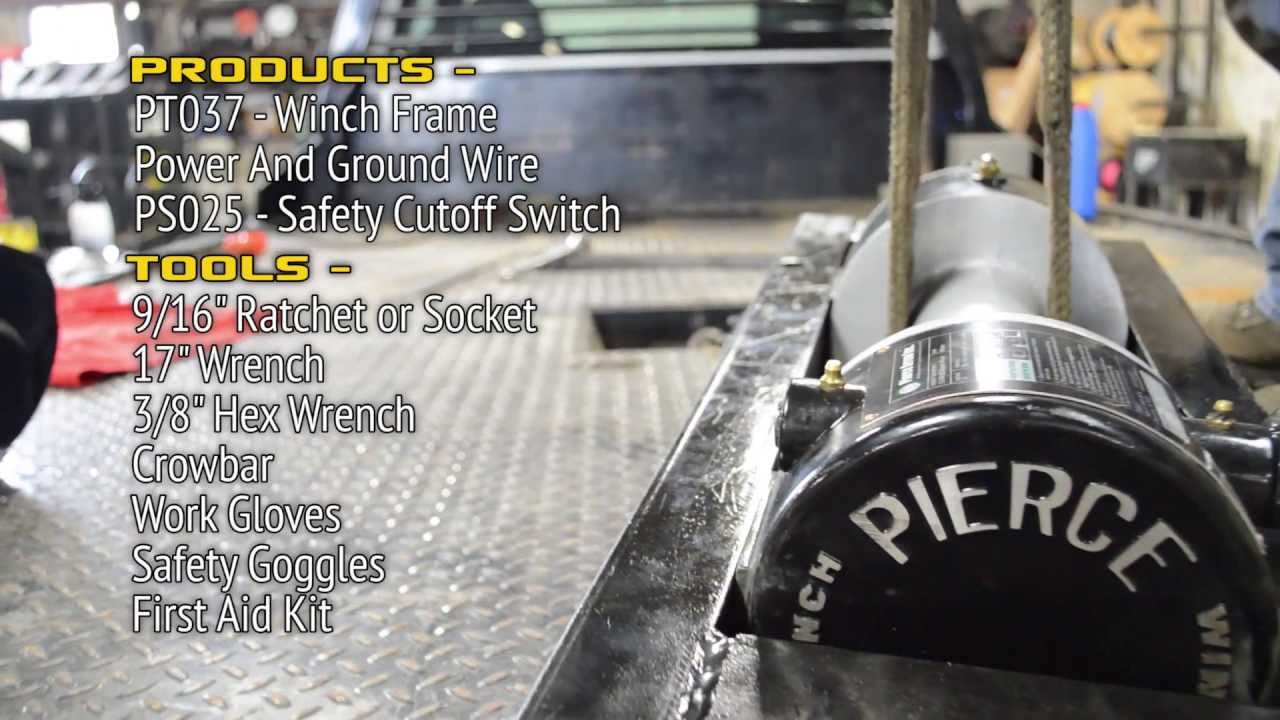
12,500 lb 12V Worm Gear Winch | 8 in Drum
12,500 lb 12V Worm Gear Winch | 8 in Drum

12,500 lb 12V Worm Gear Winch | 8 in Drum
12,500 lb 12V Worm Gear Winch | 8 in Drum


